
 The Wellness Connection Show dives into one of the most misunderstood—and overlooked—drivers of inflammation, allergies, anxiety, and chronic symptoms: histamine. In this episode, Dr. Bryan Joseph is joined by functional medicine practitioner Dr. Emily Hecker to unpack what histamine actually is, why it’s far more than just “seasonal allergies,” and how histamine overload can quietly impact nearly every system in the body.
From gut health and genetics to hormones, stress, and detox pathways, this conversation breaks down why histamine intolerance is often missed—and why so many people bounce between specialists without real answers. Dr. Emily explains how histamine acts like a hidden inflammatory “volcano,” what triggers it to erupt, and why common antihistamines may mask symptoms without addressing the root cause.
In this episode, you’ll hear:
- What histamine really is—and why it’s not inherently bad, but dangerous when unbalanced
- Why histamine overload can look like anxiety, migraines, brain fog, rashes, reflux, heart palpitations, and fatigue
- How histamine intolerance causes people to “doctor hop” without getting answers
- The gut-histamine connection and why digestive health is a major trigger
- What DAO (diamine oxidase) enzymes are and how they help break down histamine
- Why some people are genetically low in DAO and more prone to histamine reactions
- The role of methylation (MTHFR) and liver function in histamine clearance
- Why anxiety and overstimulation are common symptoms of poor methylation
- How alcohol worsens histamine symptoms and creates liver “traffic jams”
- Common histamine triggers beyond pollen: hormones, stress, mold, food storage, and leftovers
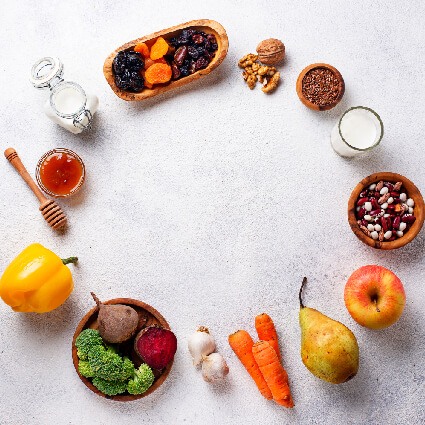
- High-histamine foods to watch for: dairy, alcohol, fermented foods, chocolate, strawberries, vinegar, and smoked meats
- Why “healthy” foods can still trigger reactions in sensitive individuals
- The connection between estrogen shifts, PMS, perimenopause, and histamine flares
- Why mold exposure (especially in homes, schools, and flat-roof buildings) can drive chronic histamine issues
- How inflammation fuels histamine—and why reducing inflammation is step one
- Natural support options including quercetin, DAO enzymes, omega-3s, and targeted B vitamins
- Why testing (stool testing, food sensitivity testing, and functional labs) beats guessing
- How calming histamine can dramatically improve daily function—not just symptoms
The takeaway?
Histamine intolerance isn’t just about allergies—it’s a complex, whole-body issue tied to gut health, hormones, genetics, detox pathways, and inflammation. When you stop chasing symptoms and start addressing the root causes, histamine overload becomes manageable—and often life-changing.
Resources & Links:
Learn more about Dr. Bryan, Dr. Jason, and the team at http://thewellnessconnection.com
Follow The Wellness Connection on social media for daily health tips and updates